What to expect on a boat tour
What to Expect on a Boat Tour (A First-Time Visitor’s Guide)
A boat tour offers a different perspective of a city than exploring it by car or on foot. From the water, skylines feel wider, waterfront neighborhoods connect more clearly, and the overall atmosphere becomes calmer and easier to take in.
For visitors planning to explore the area, understanding how sightseeing cruises typically work can make the experience more enjoyable. A full overview of available Miami boat tours provides a helpful starting point before getting into the details.
If it’s your first time on the water, knowing what happens before departure, what the ride feels like, and how routes usually unfold can remove uncertainty and help you relax into the experience.
Why Seeing the City From the Water Feels Different
Exploring any city from the water creates a completely different experience than navigating it by car or on foot. Movement slows down. Noise fades. The layout of the skyline and surrounding neighborhoods becomes easier to understand.
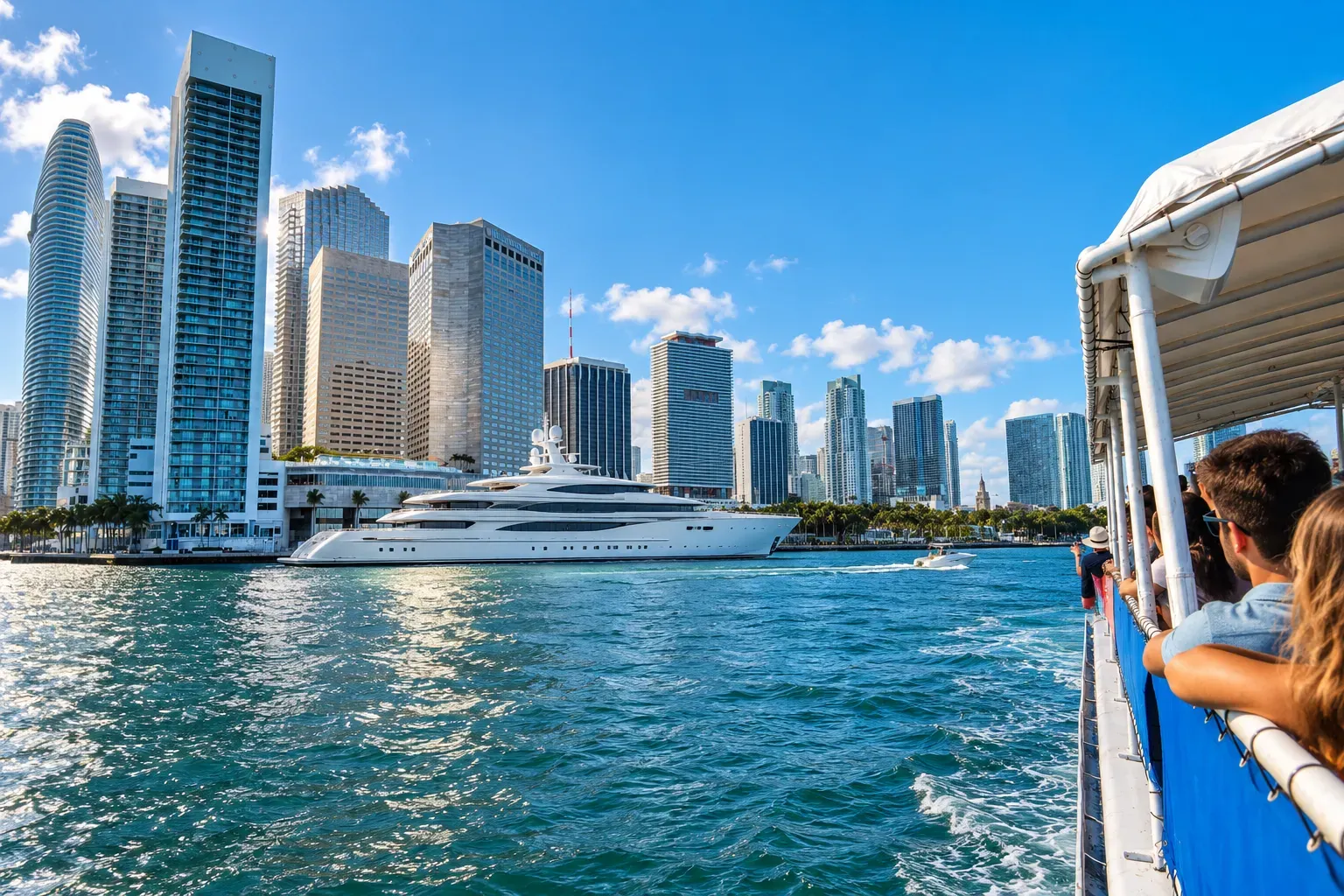
On the bay, landmarks that feel scattered on land begin to connect visually. Islands, waterfront homes, bridges, and open water all come into perspective at once. Instead of stopping at traffic lights or searching for parking, you’re able to observe everything in one continuous flow.
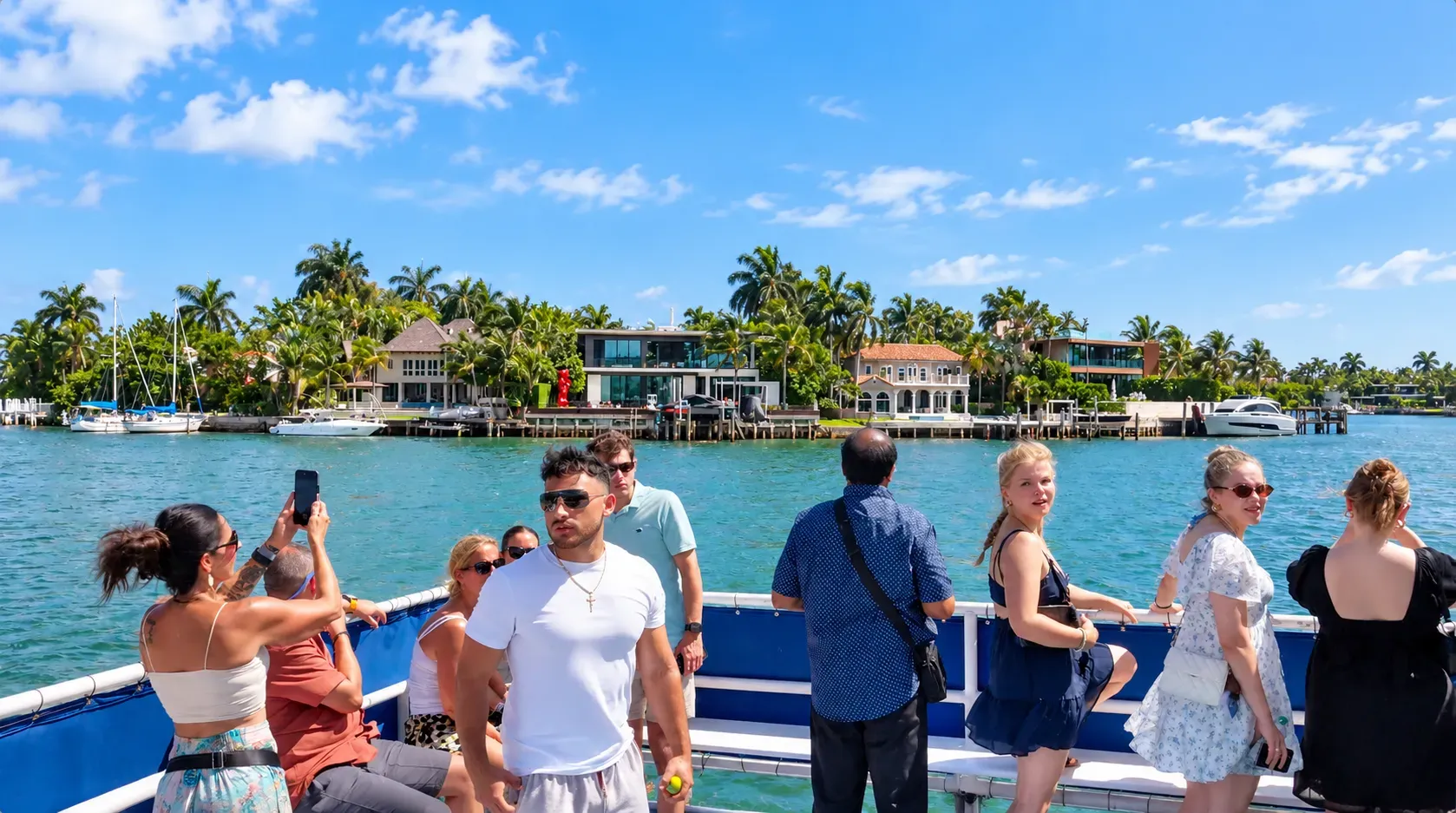
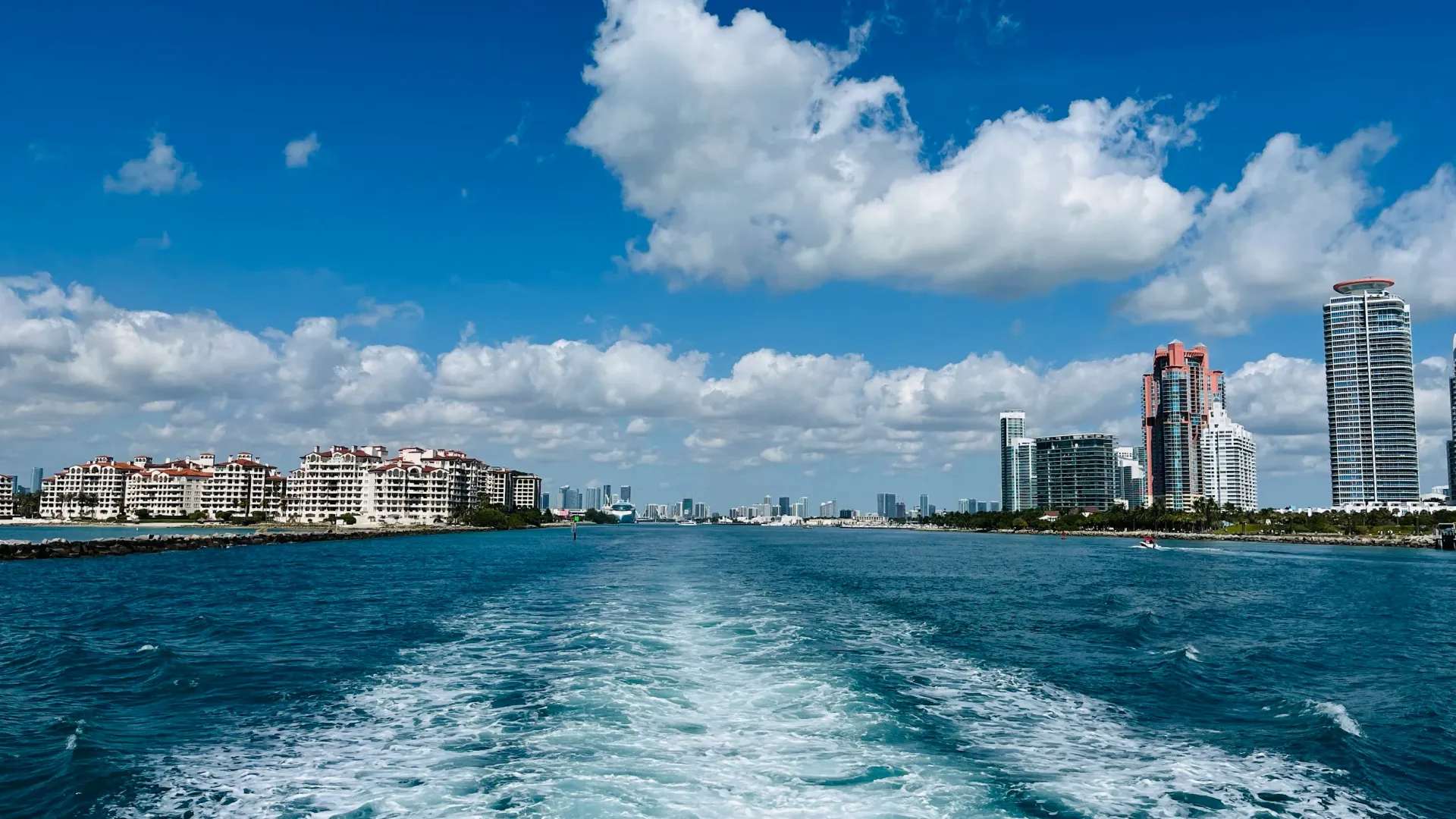
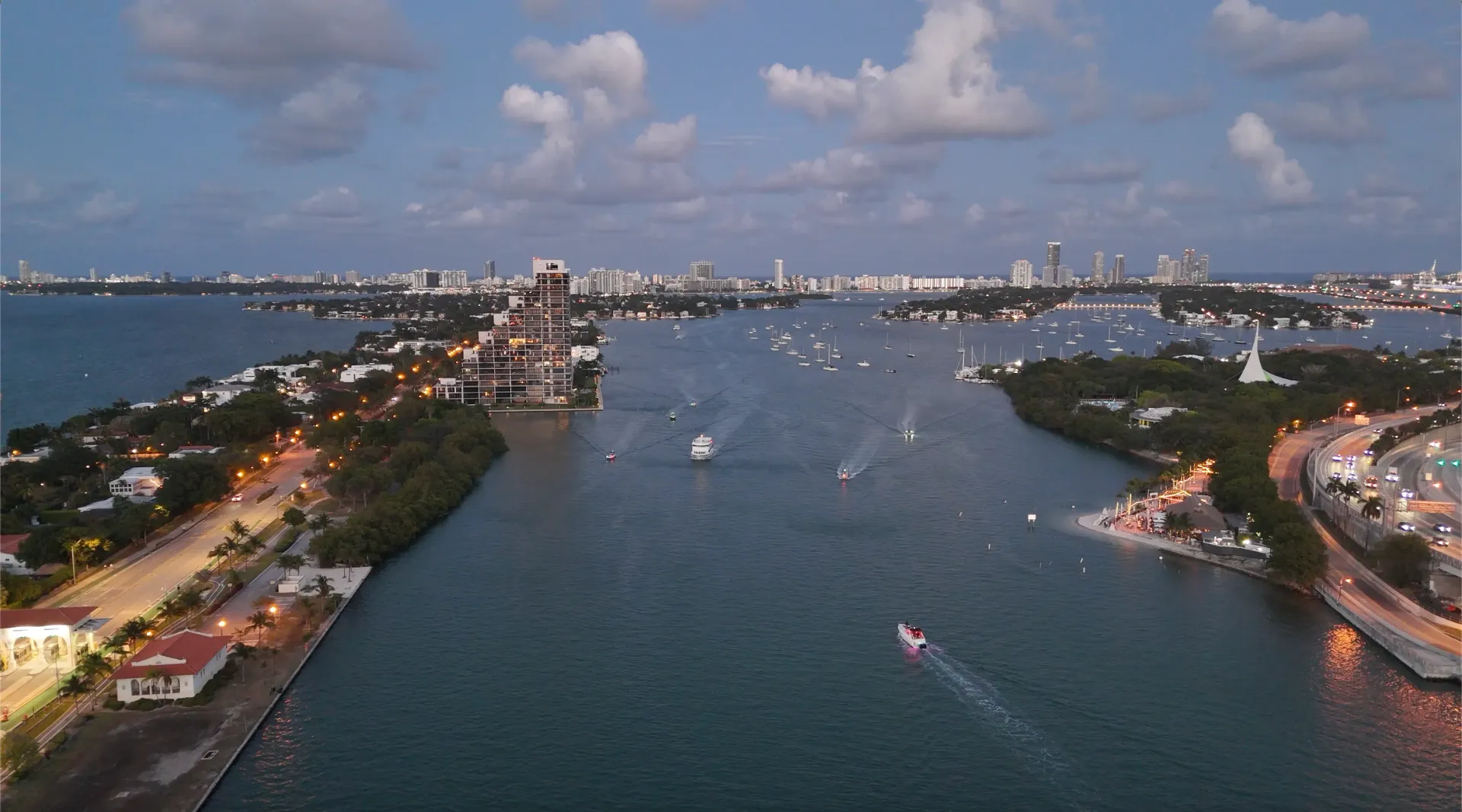
In Miami especially, this shift in perspective is noticeable. Areas like Monument Island and Star Island — often referred to as the star of the show — take on a different character when viewed from the water. The scale of the skyline feels larger, and the contrast between urban architecture and open bay becomes more dramatic.
While exploring by bus, car, or rideshare can be convenient, a boat tour changes the rhythm entirely. Over the course of a typical ninety-minute cruise, the experience becomes less about getting from place to place and more about understanding how the city fits together.
For many first-time visitors, that panoramic perspective is what makes the experience memorable.
What Typically Happens on a Sightseeing Cruise
For first-time visitors, uncertainty usually comes from not knowing how the experience flows. While each operator may have small differences, most sightseeing boat tours follow a similar structure.
Here’s what you can generally expect:
- Arrival and check-in: Guests are typically asked to arrive early to confirm their reservation and receive boarding passes. Arriving at least thirty minutes before departure helps ensure a smooth process.
- Boarding process: Boarding usually begins shortly before departure time. Crew members guide passengers onto the vessel in an organized manner.
- Safety overview: Before leaving the dock, the captain or crew provides a brief safety introduction. Sightseeing boats operate under United States Coast Guard regulations and undergo regular inspections and maintenance to meet safety standards.
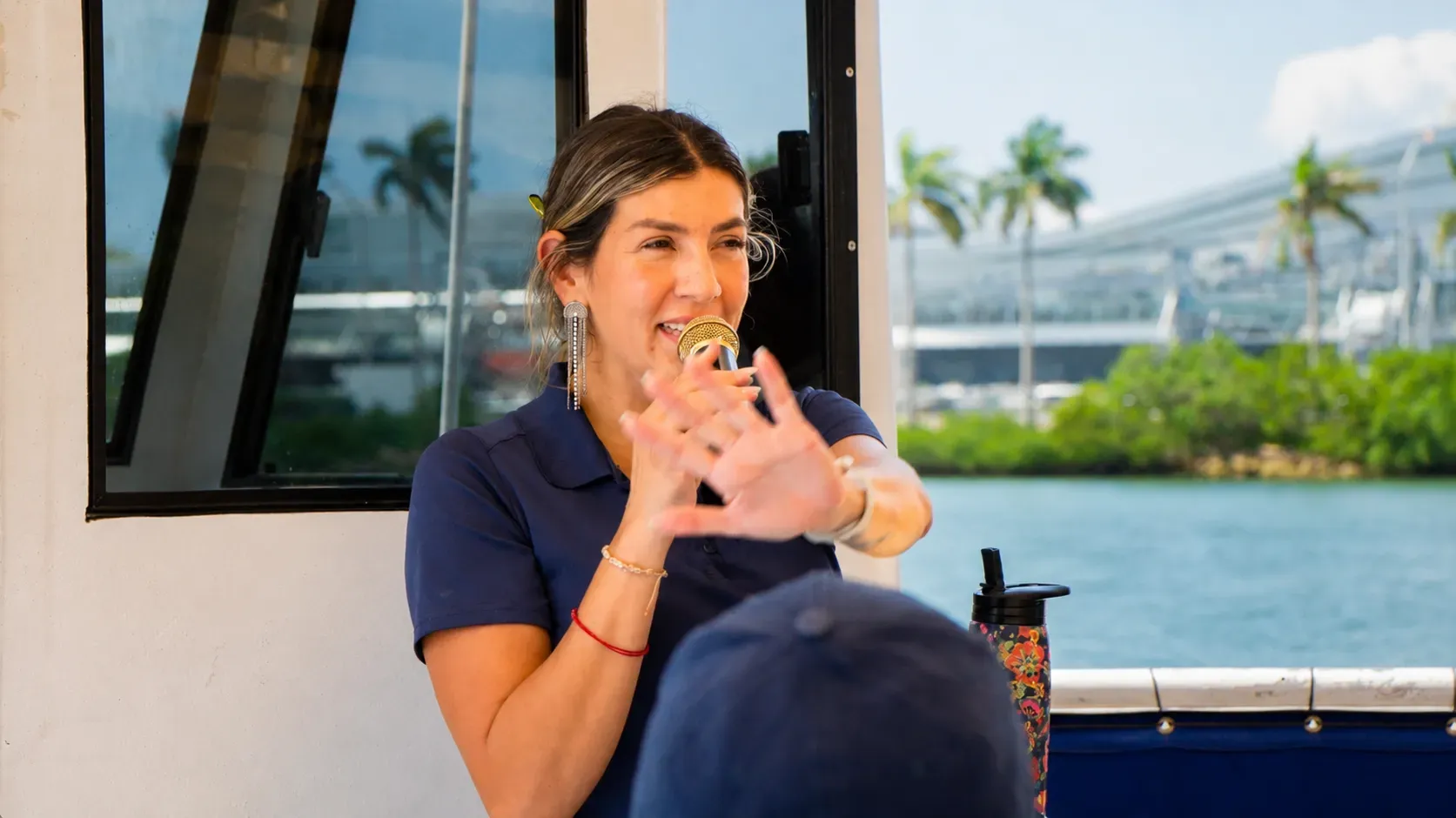
- Departure and narration: Once underway, a live tour guide begins sharing information about the surrounding landmarks and waterfront areas. Many cruises offer narration in both English and Spanish to accommodate a wide range of visitors.
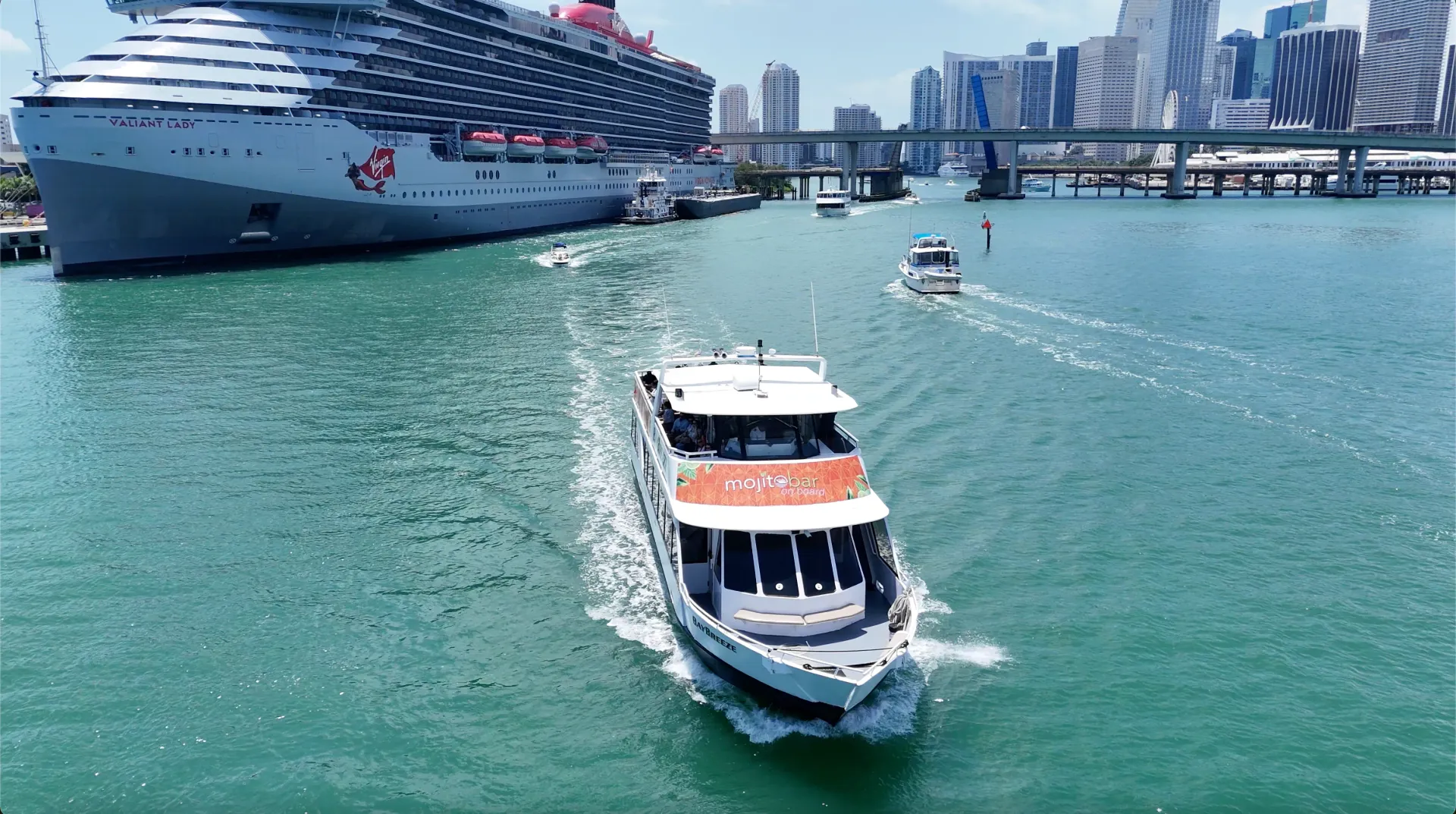
- Cruising pace: Sightseeing routes move at a steady, relaxed speed designed for viewing rather than travel. Boats remain within protected bay waters, which typically results in a smooth ride.
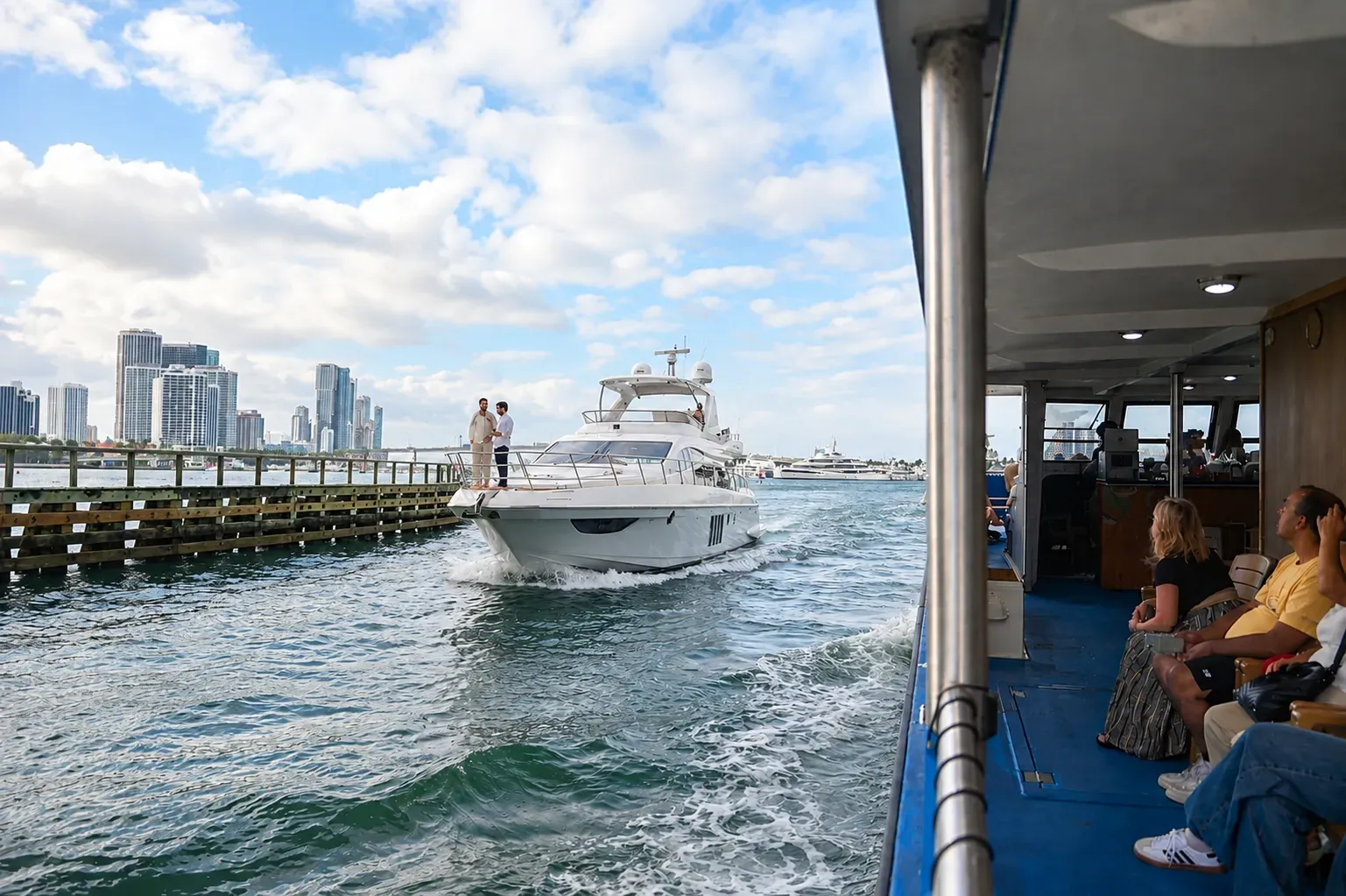
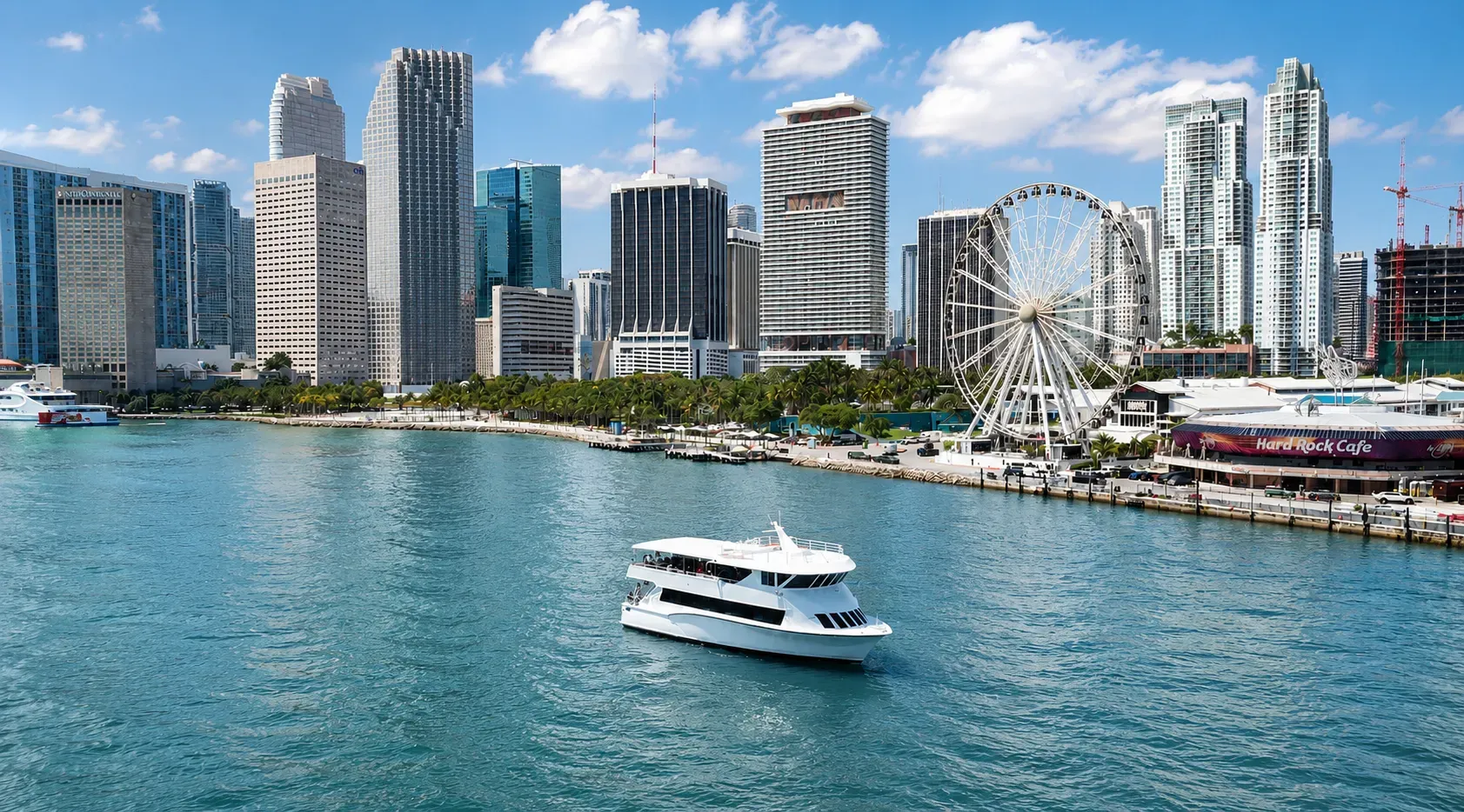
- Onboard amenities: Most double-decker sightseeing vessels include indoor seating with air conditioning, open-air viewing areas on the top deck, restrooms, and designated seating at the front and back of the boat. Many also feature an onboard bar for refreshments during the cruise.
- Return to dock: After completing the route, the boat returns to the original departure point and passengers disembark in an orderly manner.
The overall design of the experience is simple: relaxed pacing, clear narration, comfortable seating, and panoramic views. For most visitors, it feels structured, easy to follow, and surprisingly enjoyable.
What You’ll Typically See Along the Route
One of the main reasons people choose a sightseeing cruise is for the vantage point it provides. From the water, many of the area’s most recognizable landmarks become easier to appreciate.
Along a typical route, you can expect to see:
- Waterfront estates and island homes: Large residences lining the bay are often a highlight. Viewing them from the water offers a perspective that isn’t accessible from land.
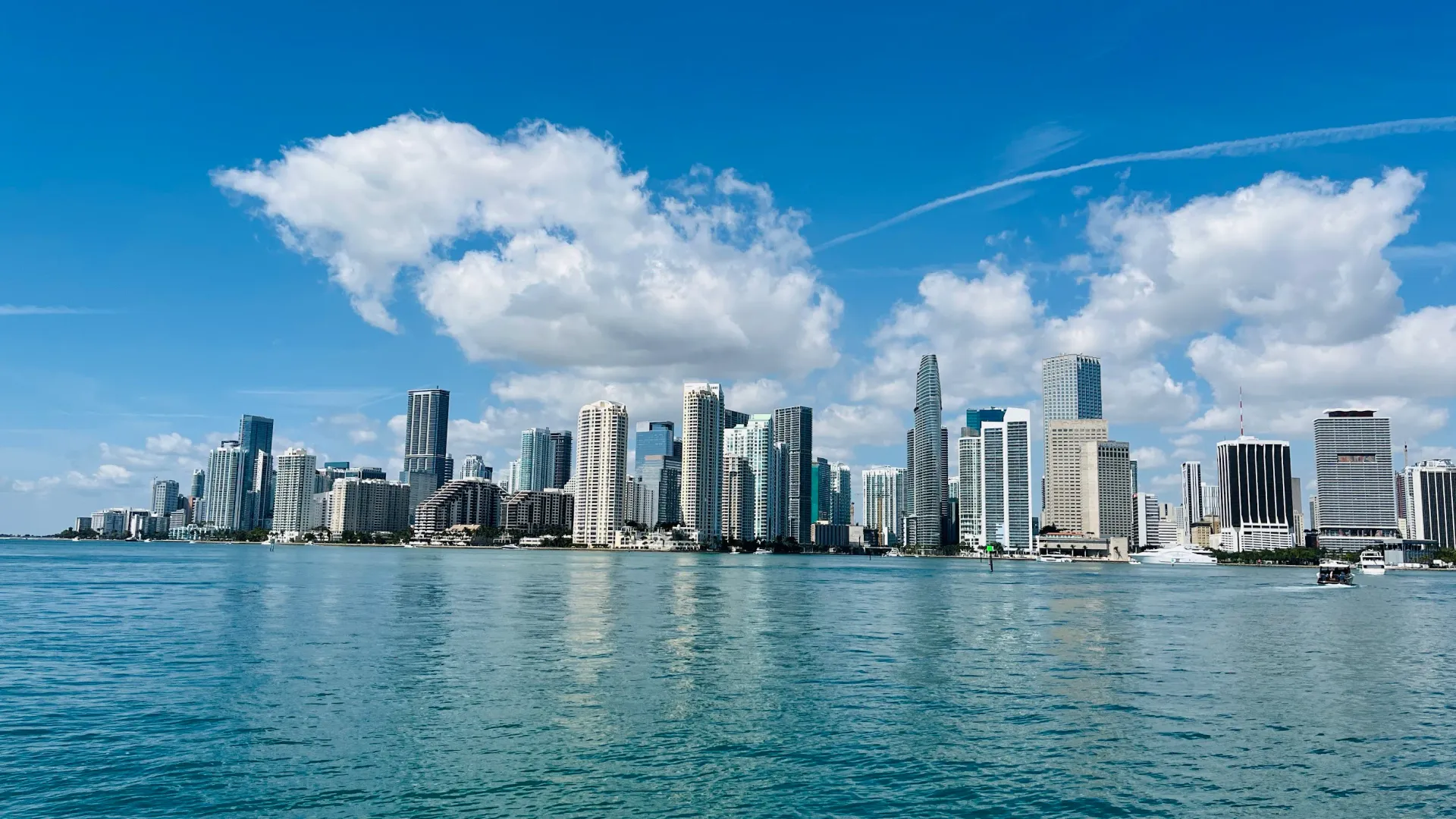
- Downtown architecture: The city’s skyline continues to evolve, and seeing the high-rise buildings from the bay allows you to appreciate their scale and design in a way that street-level views cannot provide.
- Miami Beach and South Beach shoreline: Portions of the coastline and surrounding neighborhoods are visible depending on the route.
- The entrance to the Miami River: Where commercial and residential waterfront activity intersect with the bay.
- Bridges and elevated causeways: These structures frame the skyline and connect different parts of the city across the water.
- Wildlife: While sightings vary, it’s common to see seabirds such as pelicans and other coastal wildlife. On occasion, dolphins may appear, though they are never guaranteed.
For many visitors, the waterfront homes and island communities are a central part of the experience. The route is designed to provide a panoramic look at these areas over the course of the cruise, rather than focusing on just one landmark.
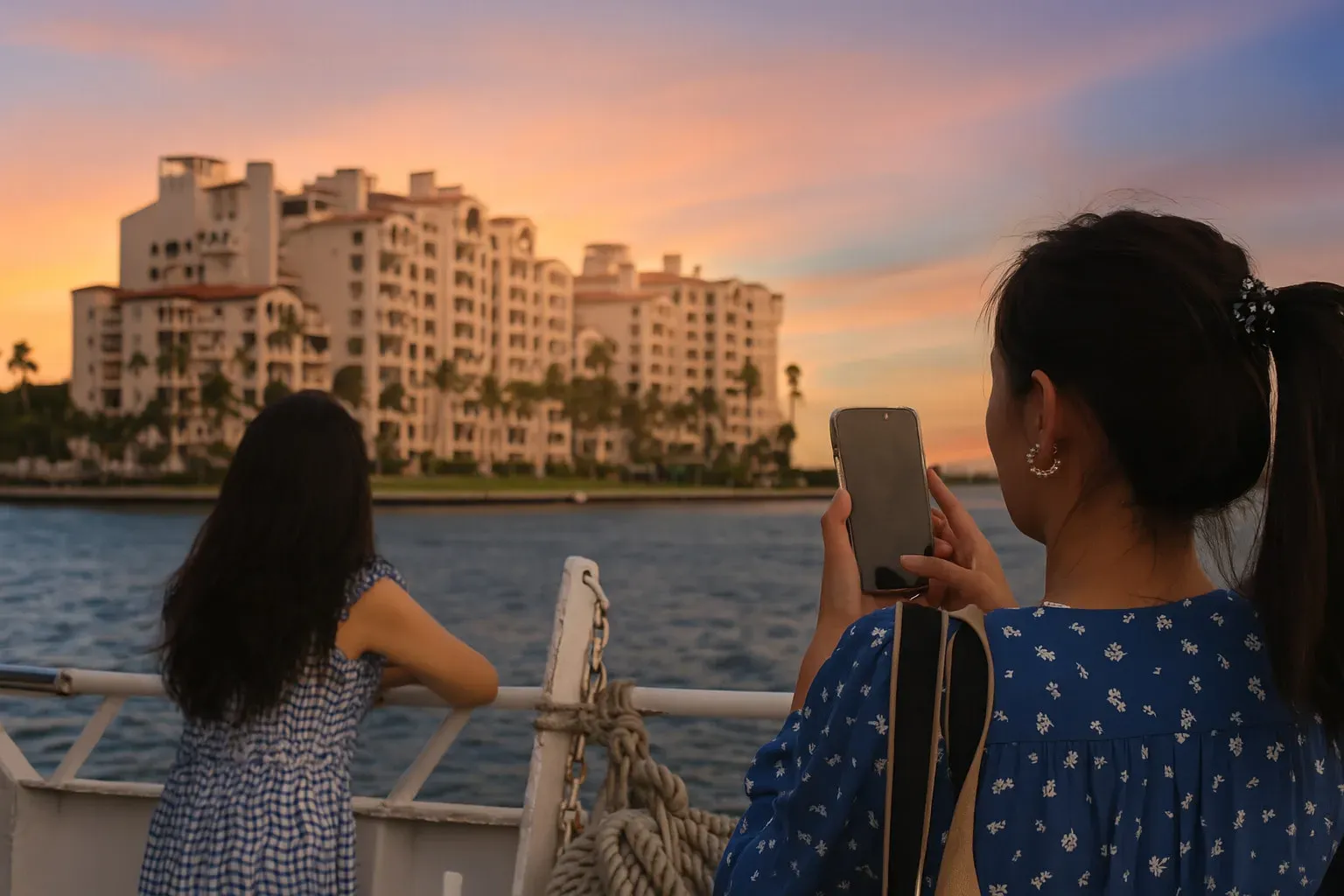
Depending on the time of day, the atmosphere can shift noticeably. Daytime departures highlight architectural details and open water views, while later cruises emphasize changing light, sunset tones, or illuminated skyline views after dark.
What the Atmosphere Feels Like Onboard
The overall atmosphere on a boat tour is designed to be relaxed, welcoming, and easy to follow. Whether you’re traveling with family, friends, or on your own, the environment tends to feel social without being overwhelming.
Once the boat leaves the dock, the change in pace is noticeable. The noise of traffic fades, movement becomes steady, and attention shifts naturally toward the water and skyline. For many first-time visitors, that slower rhythm is part of what makes a boat ride feel different from exploring by car or on foot.
Here’s what typically shapes the onboard experience:
- Open seating: There is usually no assigned seating, which allows passengers to move freely between indoor areas, the front or back of the vessel, and the open-air top deck.
- Indoor and outdoor options: Most boats include air-conditioned seating on the lower level and open viewing areas above for unobstructed panoramic views.
- Live narration: A tour guide provides commentary throughout the boat cruise, often in both English and Spanish, pointing out landmarks and sharing background information.
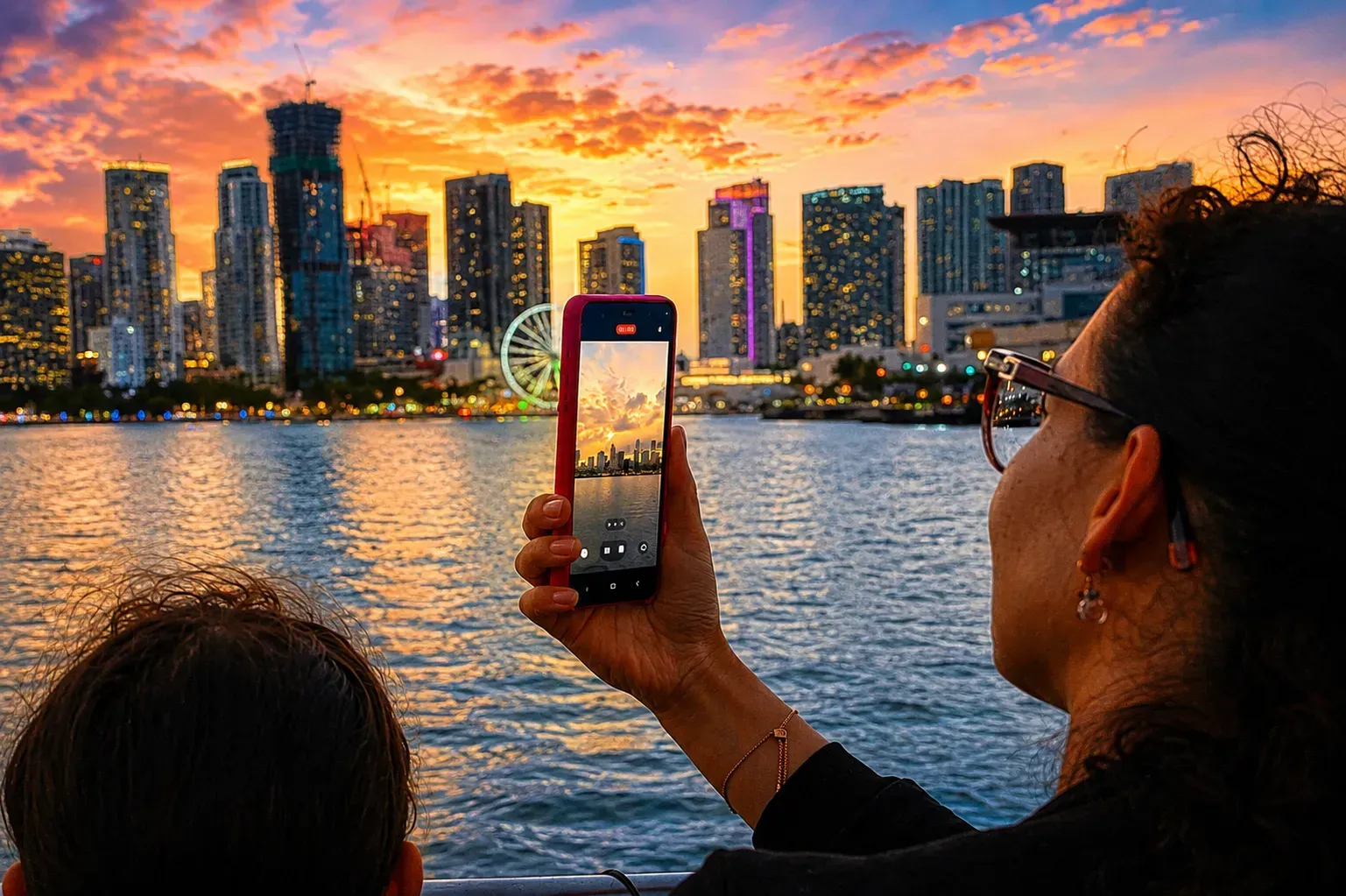
- Social but casual energy: You’ll often see people taking photos, listening closely to the guide, or simply enjoying the breeze. Many passengers are experiencing their first boat trip, which adds to the shared excitement.
- Comfort features: Restrooms are available onboard, and the layout is typically designed to accommodate larger groups comfortably.
- Regulated operation: Vessels operate under Coast Guard regulations with certified crew members and routine inspections.
Depending on the time of day, the mood can shift slightly. Daytime departures feel bright and open, while later boat rides bring cooler air and softer lighting across the water. Overall, the experience is structured but informal, combining sightseeing with time to relax and enjoy the surroundings.
What to Wear and Bring
Spending time on the water can feel slightly different than being on land, so dressing comfortably makes the experience smoother.
Here’s what most visitors find helpful:
- Lightweight clothing: Daytime departures can feel warm, especially with direct sunlight reflecting off the water.
- A light layer for later departures: Evening boat rides often feel cooler once the breeze picks up over the bay.
- Comfortable footwear: While you won’t be walking long distances, stable shoes make it easier to move around the deck.
- Sunglasses and sun protection: Reflections from the water can make sunlight feel stronger than expected.
- A fully charged phone or camera: The skyline, waterfront homes, bridges, and open water create plenty of photo opportunities during the boat trip.
- Minimal personal items: Bringing only what you need keeps movement around the vessel easier and more comfortable.
The key is simplicity. The experience is designed to be relaxed, so dressing in a way that allows you to sit comfortably, move around freely, and adjust to light temperature changes will help you enjoy the boat cruise without distraction.
Final Thoughts for First-Time Visitors
For many first-time visitors, uncertainty is the only thing that makes a boat tour feel unfamiliar. Once you understand how the experience flows — from arrival and boarding to cruising the route and returning to the dock — it becomes much easier to relax and enjoy it.
Seeing the skyline, waterfront homes, bridges, and open bay from the water creates a perspective that is difficult to replicate on land. The steady pace, live narration, and panoramic views all work together to provide context and clarity about how the city connects.
Whether you choose a daytime departure, a sunset boat ride, or an evening cruise, the structure remains simple and consistent. The experience is designed to be accessible, comfortable, and easy to follow.
In the end, a boat trip is less about rushing between landmarks and more about slowing down long enough to see how everything fits together.